Questioning Sexuality in Relationships: A Guide
Questioning your sexuality while dating can feel like navigating a maze blindfolded. Common worries include: How do I date when unsure of my attractions? or When should I share my feelings? These uncertainties are completely normal, and you are not alone in facing them. Many people go through periods of deep reflection to understand their true selves.
Exploring your identity while also trying to build connections with others is a delicate balance. It involves understanding your own heart while respecting the feelings of those you date. This guide will help you develop strategies for managing romantic and platonic relationships during this time. We will provide practical advice on communication, setting boundaries, and protecting your emotional well-being.
If you are currently feeling confused, using a private sexuality assessment can be a helpful starting point for self-reflection. It is not a diagnosis, but it can offer a private space to think about your attractions. Understanding yourself better is the first step toward building healthier, more honest relationships.

Communication Strategies When Questioning Your Sexuality
Effective communication is the foundation of any healthy relationship. When you are unsure about your sexual orientation, talking to others can feel risky. However, being clear about where you stand can prevent misunderstandings and reduce your own anxiety. It is about finding a balance between being honest and protecting your privacy.
How to Talk About Your Uncertainties with Potential Partners
If you are dating someone new, you might feel pressured to have all the answers. However, it is perfectly okay to tell a potential partner that you are still in a phase of identity exploration. You do not need to provide a definitive label if you do not have one yet. You can say something like, "I really enjoy spending time with you, but I want to be honest that I am currently reflecting on my sexual identity."
Honesty early on helps set the right expectations. It allows the other person to decide if they are comfortable being part of your journey. Remember, you are not "tricking" anyone by being unsure. Curiosity is a natural part of the human experience. If you want to gain more clarity before these talks, you can start your test to see which questions resonate most with your current feelings.
Setting Boundaries That Protect Your Emotional Space
Boundaries are essential when you are in a vulnerable state of self-discovery. You have the right to decide how much information you share and with whom. If a partner or a date pushes you for a label or asks intrusive questions, it is okay to step back. You can say, "I am not ready to talk about that part of my life yet, but I appreciate your interest."
Protecting your emotional space means prioritizing your comfort over other people’s curiosity. You do not owe anyone an immediate answer about your sexuality. Taking time for yourself to process your emotions is a sign of strength, not weakness. Using a free online tool can help you explore these thoughts privately without external pressure.
Navigating Friends' Questions Without Feeling Pressure
Friends often mean well, but their questions can sometimes feel like an interrogation. If your friends notice a change in your dating habits or ask if you are "coming out," you might feel rushed to give them a "yes" or "no." It is important to remember that you are in control of your narrative.
You can manage these social pressures by using "I" statements. For example, "I am still figuring things out for myself, and I will let you know when I have more clarity." True friends will support you and give you the space you need. You do not have to perform an identity for the sake of your social circle. Your journey is yours alone.
Dating Tips While Exploring Your Sexual Identity
Dating is a way to learn about yourself and others. When you are questioning your sexuality, dating can serve as a practical way to see what feels right. However, it requires a different approach than traditional dating. Focus on the experience rather than the end goal of "finding a spouse" or "picking a label."
Taking Pressure Off the "Label" Conversation
In the modern dating world, there is often a rush to categorize yourself as "gay," "bisexual," or "straight." This can be overwhelming if none of those words feel like a perfect fit. Instead of focusing on the label, focus on the romantic and sexual attraction you feel toward the specific person in front of you.
Labels are tools to help us communicate, but they are not cages. You can date someone of the same gender or a different gender while still being in a "questioning" phase. If you find that the pressure is too much, try to explore your attractions privately through reflection first. This can help you feel more grounded when you eventually have those conversations with others.
Exploring Connections Without Defining Categories
One of the best ways to navigate questioning sexuality relationships is to focus on the connection itself. Ask yourself: Do I feel safe with this person? Am I attracted to their personality? Do I enjoy our physical intimacy? By focusing on these specific questions, you move away from abstract categories and toward real-life experiences.
Allow yourself to be present in the moment. If a date feels good, enjoy it. If it doesn’t, that is also valuable information. Every interaction is a data point that helps you understand your preferences. You are allowed to change your mind. You are also allowed to explore different types of connections as you learn more about what makes you happy.
Recognizing Healthy vs. Unhealthy Curiosity from Others
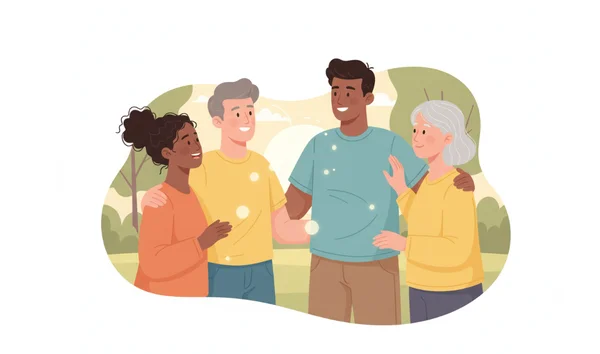
When you are open about questioning your identity, you may encounter different reactions. Healthy curiosity looks like a partner who asks respectful questions and listens to your answers without judgment. They give you the space to be "unsure" without making you feel like a problem to be solved.
On the other hand, unhealthy curiosity can feel like someone is "experimenting" with you or treating your identity as a fetish. If you feel like someone is pushing you to act a certain way or is obsessed with your "confusion," it may be a red flag. Trust your gut. If a relationship makes you feel more confused or ashamed, it may not be the right environment for your identity exploration.
Supporting Your Mental Health During Relationship Exploration
The process of questioning your sexuality while navigating relationships can be emotionally draining. It is common to feel a mix of excitement, fear, and exhaustion. Taking care of your mental health is just as important as the exploration itself. You cannot build healthy relationships if you are neglecting your own well-being.
Managing Rejection When You're Unsure of What You're Looking For
Rejection is a part of dating, but it can feel more intense when you are already feeling vulnerable about your identity. If someone stops seeing you because you are "questioning," it can feel like a rejection of your true self. However, it is often just a sign of incompatibility.
Some prefer partners certain of their identity—that's fair. This isn't about you being flawed; it's about their needs. It simply means they are not the right person to accompany you on your journey. Use these moments to practice self-compassion. Remind yourself that your worth is not tied to someone else's acceptance of your timeline.
Finding Supportive Communities Online and Offline
You do not have to do this alone. There are many communities filled with people who are also "questioning" or who have been through the same process. Online forums, local LGBTQ+ centers, and support groups can provide a sense of belonging. Sharing your story with people who understand can significantly reduce the feeling of isolation.
Our interactive platform offers more than just a gay test; we provide a starting point for a larger conversation about identity. Engaging with educational resources can help you find the vocabulary to describe your feelings. Knowing that thousands of others are asking the same questions can be incredibly reassuring.
When to Seek Professional Support
Sometimes, the confusion can lead to significant anxiety or depression. If you find that your questioning is interfering with your daily life, sleep, or work, it may be time to talk to a professional. A therapist who specializes in LGBTQ+ issues can provide a safe, non-judgmental space to process your feelings.
Feeling overwhelmed? Reach out immediately. The Trevor Project and local mental health services offer confidential support. Seeking help is a sign of maturity and self-awareness. Remember, a digital assessment is a tool for reflection, but it cannot replace the personalized care of a mental health professional.
Your Next Steps in Navigating Relationships While Questioning
Every relationship journey is unique, especially when you are questioning your sexuality. There is no right or wrong way to explore who you are. Remember that there is no strict timeline for figuring things out, and it is perfectly okay to prioritize your emotional well-being.
Putting these approaches into practice—like open conversations and self-check-ins—helps you build connections that honor your evolving identity. Your self-discovery journey might twist and turn—that’s totally okay. What matters is staying true to how you feel right now. Whether you eventually settle on a label or choose to live without one, the most important thing is that you are honest with yourself. Relationships should add to your life, not make you feel like you are hiding parts of yourself.
Ready to explore more about your identity? Take our free sexuality quiz to find insights that may help clarify your feelings. By answering a series of thoughtful questions, you can begin to see patterns in your attractions and emotions. Start your journey of self-discovery today and take the first step toward a more authentic life.
FAQ Section
How do I know when I'm ready to come out to someone I'm dating?
There is no "perfect" moment. You are ready when you feel that sharing this information will make you feel more comfortable and honest. If hiding your questioning status causes you stress, it might be time to talk. However, always prioritize your safety and emotional readiness.
What if I'm attracted to multiple genders but want to keep my options open?
That is perfectly valid. You might find that labels like "bisexual" or "pansexual" fit you, or you might prefer no label at all. Be honest with your partners about your attraction to multiple genders. This ensures everyone is on the same page regarding expectations and exclusivity.
How do I handle it when someone assumes I'm straight in a dating context?
If someone assumes your identity, you can gently correct them if you feel safe. For example, "Actually, I'm still exploring my orientation." If you don't feel like explaining, you don't have to. You have the right to choose when and where you disclose your identity.
Is it okay to change how I identify after being in a relationship?
Yes, absolutely. Sexuality can be fluid, and your understanding of yourself can grow over time. Being in a relationship with one person doesn't "lock in" your identity forever. If your feelings change, it is important to communicate that with your partner when you are ready.
Where can I find LGBTQ+ friendly dating apps and communities?
Many popular dating apps have inclusive settings for gender and orientation. Additionally, apps specifically for the LGBTQ+ community can be a great place to meet people who understand the exploration process. You can also visit our platform to find resources and educational content that can help guide you toward supportive communities.