Signs of Bisexuality: Am I Bi? Take Our Free Gay Quiz!
Feeling drawn to more than one gender can be confusing, exciting, and sometimes isolating all at once. If you've been asking yourself questions about your attractions and what they might mean, you are not alone. This journey of self-discovery is a personal one. It's completely normal to feel uncertain as you navigate it.
This guide is here to offer a safe space for reflection. We will explore common signs and feelings associated with bisexuality, helping you understand your experiences with clarity and support. Exploring your identity should be an empowering process, and it often begins with a single question.
If you're ready to look deeper into your feelings, our tools are designed to help. You can start your journey with a private and insightful quiz created for self-exploration.
What are the Signs of Being Bisexual? (Bisexual Attraction Signs)
Bisexuality is broadly defined as an attraction to more than one gender. However, this experience is unique for everyone. There isn't a checklist you need to complete. Instead, think of the following points as common experiences that might resonate with you.
Emotional & Romantic Attraction to Different Genders
Attraction isn't just about who you find physically appealing; it's also about who you connect with emotionally. You might find yourself developing deep emotional bonds, friendships, or romantic feelings for people of various genders.
Think about the people you've had crushes on or imagined yourself dating. Do these individuals fall into more than one gender category? Romantic attraction is about who you can see yourself in a relationship with, sharing your life and feelings. For many bisexual individuals, this connection isn't limited by gender.
Physical & Sexual Attraction Beyond One Gender
Physical or sexual attraction is what many think of first. It means who turns you on or draws you intimately. If it's not limited to one gender, that might signal bisexuality.
This attraction doesn't have to be a 50/50 split. It's common for bisexual people to have a preference or for their attraction to shift over time. One month, you might lean toward men. The next, women. Or attractions to genders might feel totally different. All valid!
Fantasies, Crushes, and Daydreams Across Genders
Your inner world of thoughts, fantasies, and daydreams can offer powerful clues about your attractions. Who do you find yourself thinking about when you're alone? Your imagination is a private space where you can explore your feelings without judgment.
If your fantasies or crushes regularly feature people from more than one gender, it's a strong indicator of your potential attractions. These internal feelings are just as important as your real-world experiences. They are a core part of who you are and who you are drawn to.
Am I Bisexual? Exploring Your Identity (Am I Bisexual Quiz)
Asking "Am I bisexual?" is a significant step. The answer isn't always a simple "yes" or "no." It involves understanding labels and accepting fluidity. You also need to challenge common misconceptions. This part of the journey is about giving yourself permission to explore without pressure.
Questioning Labels: Bisexual vs. Other Identities
Labels can be incredibly helpful tools for understanding ourselves and finding community. Bisexuality is one of many identities under the LGBTQ+ umbrella. Others you might hear include:
- Pansexual: Attraction to people regardless of their gender identity.
- Omnisexual: Attraction to all genders, but with gender still being a factor in the attraction.
- Polysexual: Attraction to multiple, but not necessarily all, genders.
The key is to find a label that feels right for you, if you want one at all. Some people prefer not to use labels, and that is also perfectly fine. The goal is self-understanding, not fitting into a box. If you're wondering where you fit, you can explore your identity further in a safe environment.
Understanding Sexual Fluidity and the Kinsey Scale
Your sexuality is not set in stone. The idea that attractions can change and evolve over time is called sexual fluidity. This is a normal and common experience for many people. You don't have to have your identity figured out forever.
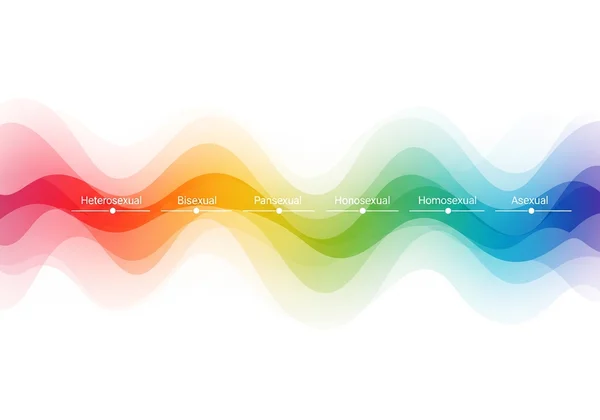
Decades ago, researcher Alfred Kinsey developed the Kinsey Scale to show that sexuality exists on a spectrum. The scale ranges from 0 (exclusively heterosexual) to 6 (exclusively homosexual). Most people fall somewhere in between, showcasing the wide diversity of human attraction. Understanding this can be freeing, as it validates that your feelings don't have to be absolute to be real.
Dispelling Common Myths About Bisexuality
Unfortunately, there are many myths and stereotypes about bisexuality that can cause confusion and hurt. Let's clear some of them up:
- Myth: Bisexuality is just a phase.
- Truth: For many, bisexuality is a stable, lifelong identity.
- Myth: Bisexual people are confused or can't make up their minds.
- Truth: Liking more than one gender? That's its own orientation—not confusion.
- Myth: You have to have had experiences with multiple genders to be bisexual.
- Truth: Your identity is based on your internal feelings of attraction, not your relationship history.
Letting go of these myths is crucial for self-acceptance. Your journey is yours alone, and it is valid no matter what anyone else says.
Next Steps in Your Bisexual Journey
Once you've spent time reflecting, you might wonder what comes next. This part of the journey is about finding resources. It's about continuing your self-exploration in a way that feels comfortable and safe for you.
Finding Community and Support
Knowing you're not alone can make all the difference. Finding a community can validate your feelings. It also provides a space to share experiences. You can look for online forums on platforms like Reddit (such as r/bisexual) or follow LGBTQ+ creators on social media.
Organizations like The Trevor Project and GLAAD also offer incredible resources, articles, and support networks. Connecting with others reminds you that there is a global community of people who understand and support you. You do not have to figure this out by yourself.
The Power of Self-Reflection: Using Quizzes as a Tool
Self-reflection is a powerful practice. Tools like journaling or online quizzes can provide a structured way to process your thoughts. A well-designed quiz can act as a mirror, asking questions that help you see your own feelings more clearly.
It's important to remember that a quiz cannot definitively tell you your sexuality. Instead, think of it as a starting point—a guide for your thoughts. The "Am I Bi?" or gay quiz is a private, no-pressure way to explore the questions you've been asking yourself. If you're looking for a gentle place to begin, you can take our free quiz anytime.
Disclaimer: Our quiz is intended for self-reflection and entertainment. It is not a substitute for professional psychological advice or diagnosis.
Your Bisexual Journey Starts Here: Take the Next Step
Exploring your sexuality is a brave and personal journey. Maybe you identify with the signs of bisexuality. Or maybe you're still figuring things out. Either way, the most important step is giving yourself the grace to explore. Remember that your feelings are valid, your identity is yours to define, and you are not alone.
Every question you ask is a step toward a deeper understanding of yourself. Trust your instincts, be patient with the process, and know that clarity will come with time.
Feeling ready? Jump into our gay quiz right now—it's quick, private, and just for you. Start your gay quiz to see what you might learn in a safe and supportive space.
Frequently Asked Questions About Bisexuality & Identity Exploration
What's the difference between being gay, straight, and bisexual?
These terms describe different patterns of attraction. Straight (or heterosexual) people are primarily attracted to the opposite gender. Gay or lesbian (homosexual) people are primarily attracted to the same gender. Bisexual people are attracted to more than one gender.
Can an online quiz truly tell me if I'm bisexual?
No online quiz can give you a definitive label for your sexuality. Identity is personal and complex. However, a quiz can be an excellent tool for self-reflection. It asks thought-provoking questions. These can help you organize your feelings and see patterns you may not have noticed before. Think of it as a guided journal, not a diagnosis. To see how it works, you can try our free tool.
Is it normal for my sexuality to change or feel fluid over time?
Yes, it is completely normal. This is known as sexual fluidity. For many people, attraction can shift throughout their lives. You might feel more drawn to one gender at one point and another gender later on. This doesn't invalidate your identity; it's simply a natural part of the human experience for many.
Where can I find further support if I'm questioning my sexuality?
If you're feeling overwhelmed, connecting with supportive resources is a great idea. Online communities, local LGBTQ+ centers, and trusted friends can provide a sense of belonging. For professional support, seeking out a therapist or counselor who is affirming of LGBTQ+ identities can be incredibly helpful. Organizations like The Trevor Project and the Human Rights Campaign (HRC) also offer excellent educational materials and support networks.